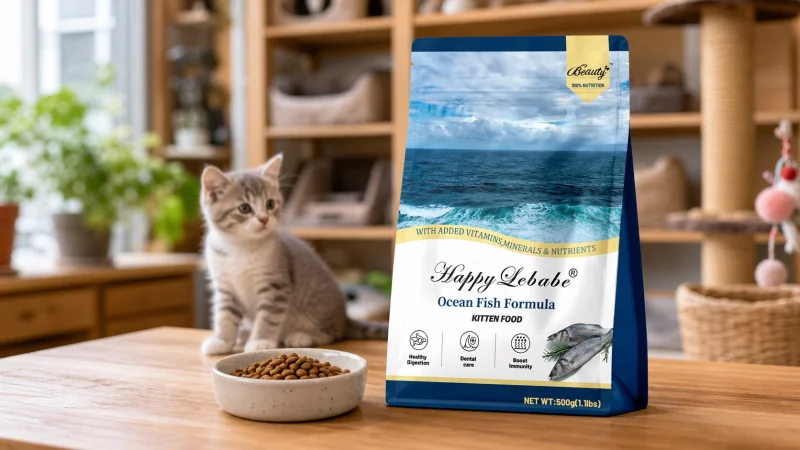
Dry cat food sourcing requires more than comparing a protein percentage on a specification sheet. Cat food must be accepted by the animal, stable during storage, practical for packaging, and consistent enough for repeat wholesale supply. For importers and private label brands, the best OEM supplier is the one that can connect formula, palatability, packaging, quality control, and export documentation in one workflow.
Xinji Pet Food usually begins a dry cat food OEM project by clarifying the target life stage, channel, and price level. Kitten, adult, and all-life-stage formulas have different nutrition expectations, kibble sizes, and package communication. A formula for e-commerce may need different packaging logic from a distributor product sold through regional pet shops.
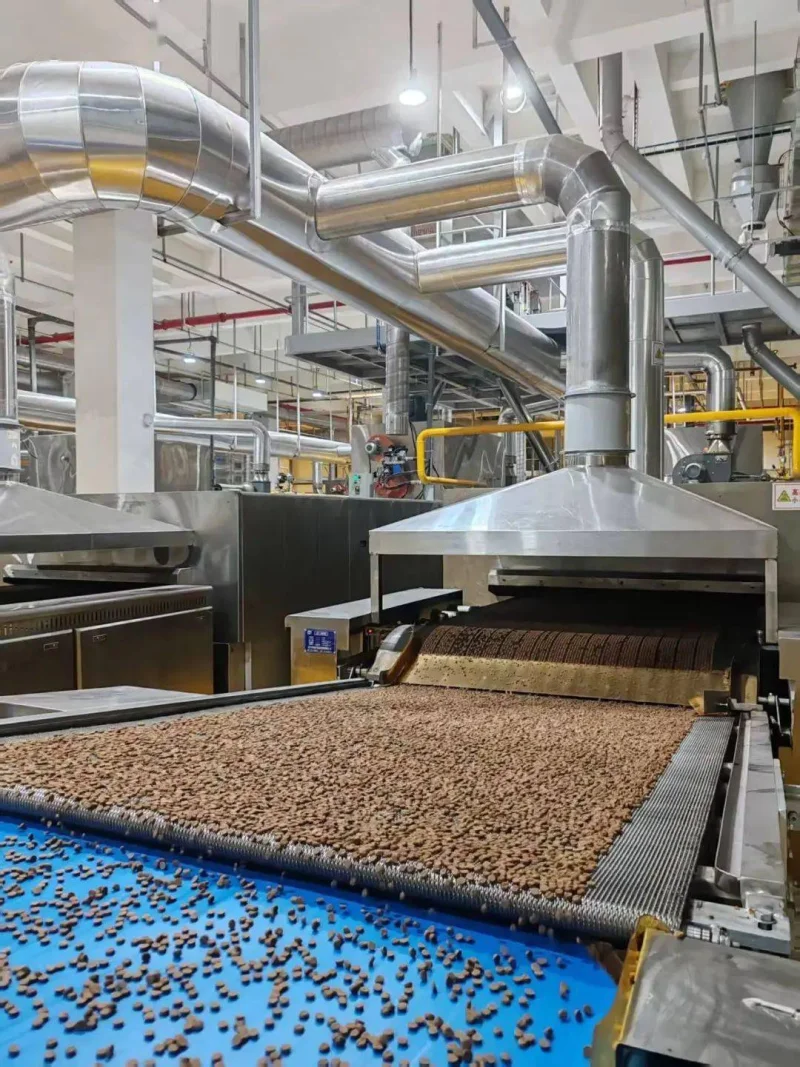
Formula positioning should match the sales channel
Chicken, fish, beef, and mixed-protein formulas can all be viable. The right choice depends on the buyer's target positioning. A seafood-led formula may support a premium cat food story, while chicken-based formulas can be more cost-efficient for wider wholesale distribution. Importers should decide whether the product will compete on price, taste, clean ingredients, functional nutrition, or private label shelf identity.
When the target is a mainstream adult-cat line, a buyer can benchmark against Chicken Formula Cat Food; if the launch is built around early-life nutrition, the Deep-Sea Fish Kitten Formula gives a clearer reference for life-stage positioning. For buyers comparing factory systems as well as formulas, the factory audit checklist is a useful companion read.
Palatability is a commercial issue
Cat food repeat purchase depends heavily on aroma, coating, texture, and kibble size. During sampling, buyers should review not only the nutrition target but also the practical eating experience. A small change in shape or coating can influence acceptance, especially for adult cat products sold in competitive markets.
Packaging must protect freshness
Dry cat food should be protected from moisture, odor loss, and rough handling during export. The packaging discussion should cover bag structure, sealing method, oxygen and moisture protection, label language, feeding instructions, and carton loading. For private label buyers, packaging is also the first visible trust signal for the end customer.
Supplier questions before order confirmation
- Which base formulas are already stable in production?
- How are palatability and batch consistency reviewed?
- What MOQ applies to formula, packaging, and shipment?
- Can the factory support export documents and destination-label requirements?
- How are retained samples and quality complaints handled?
A reliable dry cat food OEM supplier should be able to discuss formula, production, packaging, and export risk together. That is the difference between a catalog seller and a factory partner for long-term private label growth.
How importers can compare cat food suppliers
When several suppliers offer similar formulas, compare the workflow behind the quotation. A stronger factory should be able to explain sample timing, production lead time, packaging MOQ, batch inspection, retained samples, and export document preparation. If those answers are unclear, a low unit price may create more risk later.
Buyers should also request realistic packaging guidance. A premium-looking bag may not be suitable if the first order volume is small, while a simple printed pouch may work well for market testing. The right supplier helps the buyer choose a packaging route that matches both brand image and launch budget.
Dry cat food projects become more stable when formula, palatability, package structure, and logistics are reviewed together before the purchase order is issued.