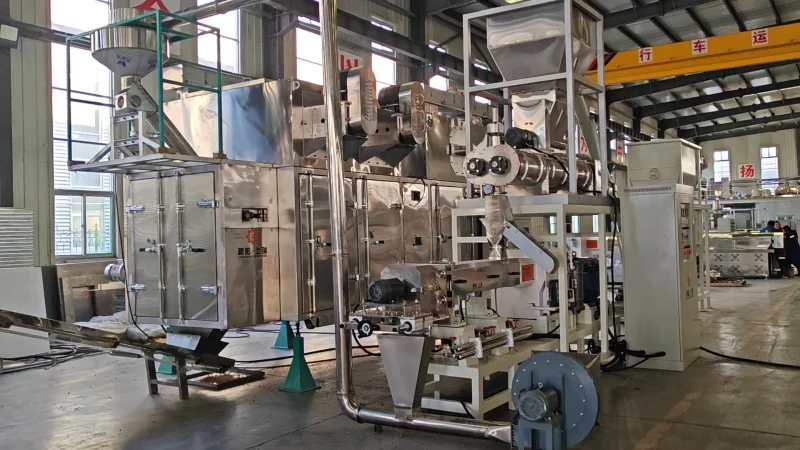
An OEM pet food project becomes easier to manage when the buyer and factory follow the same production sequence. The main stages are buyer brief, formula discussion, R&D sampling, sample approval, packaging confirmation, bulk production, quality inspection, export documentation, and shipment preparation. Each stage has a decision point, and skipping one usually creates delays later.
Xinji Pet Food uses this workflow to help importers, private label brands, distributors, and wholesalers reduce uncertainty before a bulk order is placed. The process is practical: define the market need, choose a realistic product route, confirm product and packaging details, then move into controlled production and export coordination.
Step 1: Buyer requirement planning
The buyer should first provide the target market, product category, species, life stage, formula direction, package size, expected order quantity, destination country, sales channel, and launch timing. This information helps the factory recommend a route that fits both commercial positioning and production reality.
For dog food projects, the private label dog food first-order guide is a useful starting point because it separates formula choice, MOQ, packaging, sample review, and factory communication. For cat food projects, the dry cat food OEM supplier checklist helps buyers review palatability, kibble design, and export packaging before confirming a supplier.
Step 2: Product route and formula discussion
After the buyer brief is clear, the factory and buyer should decide whether the project will use an existing formula, a modified formula, or deeper OEM/ODM development. Existing formulas are faster for first orders, while modified formulas may better match the buyer's market positioning. Deeper development needs more time for sampling, testing, packaging alignment, and cost confirmation.
| Project route | Best use case | Buyer decision point |
|---|---|---|
| Existing formula | Fast market test or first private label order | Confirm flavor, species, package size, MOQ, and label requirements |
| Adjusted formula | Buyer needs a clearer price point or nutrition direction | Confirm target cost, key ingredients, palatability direction, and sample schedule |
| OEM/ODM development | Brand wants differentiated positioning or multi-SKU planning | Confirm development scope, testing needs, packaging route, and launch timing |
For buyers planning a wider product range, the OEM/ODM service page explains how formula, packaging, sample confirmation, and export support can be coordinated as one project instead of isolated tasks.
Step 3: R&D sampling and sample review
Sampling should not be vague. Buyers should review aroma, color, kibble size, texture, palatability direction, ingredient story, package preference, and target cost. For supplement or soft chew projects, format, active ingredient direction, taste, texture, dosage form, and shelf-life expectations should also be discussed.
A sample confirms product direction, not the whole order. Before moving into bulk production, the buyer should still confirm formula version, package size, artwork, label language, carton packing, MOQ, lead time, inspection standard, and export documents. Treating sample approval and bulk-order approval as separate milestones makes communication cleaner.
Step 4: Packaging and label confirmation
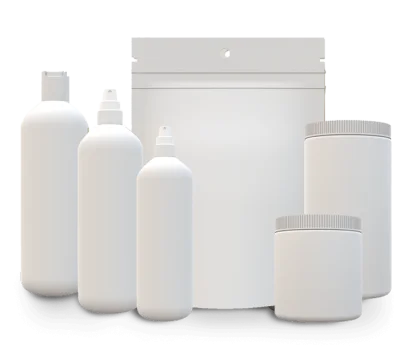
Private label packaging affects lead time, MOQ, cost, and launch quality. Artwork, label language, nutrition panel, feeding guide, barcode, bag material, carton structure, shipping marks, and destination-specific label details should be confirmed before bulk production. This is where many first-time projects lose time, so early preparation matters.
Packaging should be reviewed from both brand and logistics angles. A pouch or bag must look suitable for the retail channel, but it must also protect the product, fit carton packing, handle export transport, and support repeat-order consistency. Buyers should confirm whether printed packaging, sticker labels, or bulk packaging is the most practical choice for the first order.
Step 5: Bulk production planning
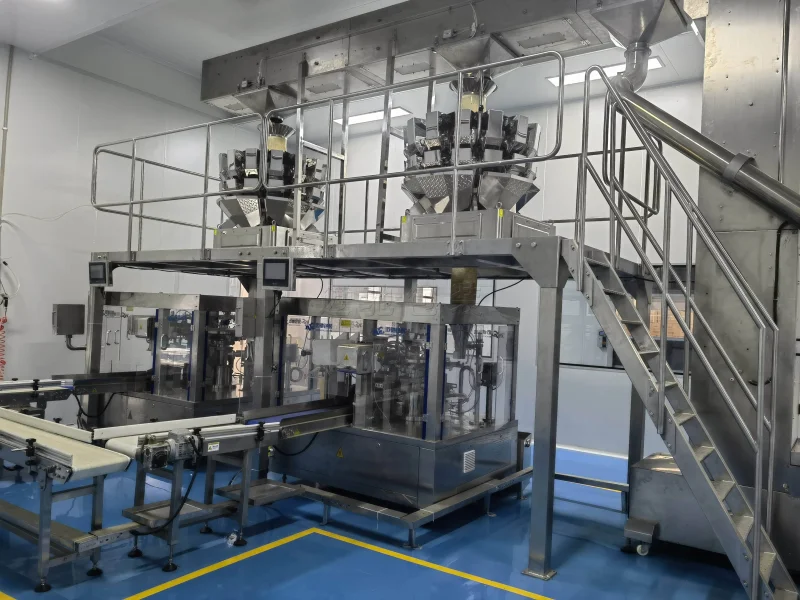
Once the product and packaging are approved, the order moves into production planning. At this stage, the buyer and factory should confirm purchase order details, deposit status, production schedule, raw material readiness, packaging arrival, batch arrangement, and expected inspection date.
For dry food products such as Chicken Rice Formula Dog Food or Chicken Formula Cat Food, buyers should pay attention to formula consistency, kibble appearance, package sealing, and carton packing. For snack or supplement products, texture, piece weight, active direction, packaging fit, and shelf-life communication may be more important.
Step 6: Quality control during production
During production, the factory should follow the confirmed formula, packaging specification, and inspection standard. Buyers should understand how the supplier controls batch records, retained samples, appearance checks, moisture, weight consistency, package sealing, carton packing, and finished-goods storage.
- Confirm the final approved sample and formula version before production starts.
- Check whether batch records and retained samples are managed for traceability.
- Review packaging sealing, label accuracy, carton marks, and finished carton strength.
- Confirm the inspection point before goods are released for export preparation.
- Keep communication records for formula, package, quantity, and shipment decisions.
For buyers comparing suppliers, the pet food factory audit checklist provides a broader framework for reviewing production capacity, traceability, QC, storage, and export readiness.
Step 7: Export documents and shipment preparation
After inspection, the order moves into documentation and loading preparation. Packing list, commercial invoice, certificates, shipping marks, carton data, destination-specific details, and forwarder coordination should be prepared before the goods leave the factory. A good OEM supplier treats shipment as part of the production project, not as an afterthought.
Buyers should also confirm whether the product needs special storage instructions, pallet requirements, container loading notes, or label-language details for the destination market. These details may look small, but they often decide whether the first order moves smoothly through customs and distribution.
Common delays in OEM pet food projects
Most OEM delays come from incomplete information rather than production itself. Missing artwork, unclear label text, late barcode confirmation, changing package sizes, uncertain destination documents, and unclear approval responsibility can all slow the project. Buyers can reduce these problems by preparing a launch checklist before sampling starts.
Another common issue is changing too many variables at the same time. If the buyer changes formula, package size, label layout, and order quantity after sampling, the factory may need to recalculate cost, production schedule, packaging MOQ, and lead time. A disciplined approval process protects both sides.
How to prepare for repeat orders
A successful first shipment should become the foundation for repeat supply. After delivery, Xinji Pet Food recommends reviewing product feedback, package performance, order timing, carton condition, sales velocity, and any customer questions from the buyer's market. This review helps the next order become more accurate and efficient.
For long-term cooperation, buyers can use the first order to decide whether to expand into more SKUs, such as pet snacks, functional soft chews, or additional dog and cat food formulas. The goal is not only to finish one shipment, but to build a stable private label supply system that can support future product line expansion.