Pet treats are attractive for private label brands because they are easy to explain, flexible in packaging, and suitable for repeat purchase. For wholesale buyers, however, treat sourcing should not start with a random catalog selection. The buyer needs to define the sales channel, target pet owner, product format, functional direction, package size, and expected reorder model before samples are requested.
For importers, distributors, and e-commerce brands, the best pet treat supplier is not simply the factory with the longest SKU list. A stronger supplier can connect product format, packaging, MOQ, quality control, and export planning into one repeatable sourcing process. This is especially important when the treat line will be sold under a private label brand and must remain stable across multiple purchase orders.
Start with the buyer role and sales channel
A pet store buyer may need shelf-ready pouches with clear flavor and benefit communication. An e-commerce seller may care more about lightweight packaging, product photography, parcel durability, and simple claims that are easy to understand online. A distributor usually needs carton strength, loading efficiency, shelf life, SKU discipline, and a price structure that leaves room for downstream margins.
This channel decision should guide the product route. For a simple shelf test, buyers often begin with familiar snack formats such as Chicken Chunks for dogs and cats. For a broader range, the private label pet products page shows how treats can be planned alongside dry food and supplement SKUs.
Compare treat formats before choosing flavors
Flavor is important, but format usually affects sourcing risk more directly. Chunks, granules, training snacks, soft chews, and daily wellness treats all have different requirements for texture, weight consistency, packaging, and claim control. A buyer choosing between these formats should compare not only consumer appeal but also production repeatability and logistics stability.
| Treat route | Best fit | Buyer check point |
|---|---|---|
| Chicken or meat chunks | Entry private label snack lines and retail shelf tests | Check size consistency, aroma, breakage rate, and bulk packing |
| Fish or seafood granules | Seafood-positioned dog and cat treat collections | Check odor control, oil migration, and package barrier performance |
| Soft chews | Functional treat or supplement-style positioning | Check active ingredient direction, texture, palatability, and claim wording |
| Training snacks | E-commerce, puppy, and daily reward programs | Check small-piece uniformity, feeding guidance, and resealable packaging |
If the buyer wants a seafood concept, products such as Fish Granules or Salmon Granules can support a more differentiated snack story than a basic chicken-only line. If the buyer wants daily wellness positioning, functional soft chew products such as Dog Probiotic Digestive Support Soft Chews can be reviewed as a related product direction.
Keep functional claims practical and export-safe
Functional treats can create a stronger retail story, but buyers should avoid medical or disease-treatment language. Safer B2B positioning includes daily wellness, digestive support, skin and coat maintenance, training reward, nutrition support, eye wellness, joint support, or hairball support. This makes the product easier to market while reducing regulatory and platform risk.
Before confirming claim language, buyers should ask the factory which ingredient directions are realistic, which claims are suitable for label communication, and which documents can be prepared for the destination market. For supplement-style products, the guide on building a private label pet supplement line is a useful reference because it explains SKU planning, packaging, and quality-control logic for functional products.
Packaging is a sourcing decision, not only a design decision
Private label pet treat packaging must protect aroma, reduce moisture risk, survive handling, present feeding guidance clearly, and support the buyer's barcode, language, and brand layout. Buyers should confirm pouch material, zipper type, oxygen protection, label area, carton packing, pallet/loading expectations, and printed packaging MOQ before the final product route is approved.
Many first-time orders are delayed because the product sample is approved before packaging is ready. To avoid this, the buyer should review artwork, ingredient list, feeding guide, net weight, storage conditions, carton marks, and export label requirements during the sampling stage, not after production has already been scheduled.
MOQ and first-order planning
For a first private label treat order, it is usually better to launch a focused range instead of too many flavors. One hero format, one clear benefit direction, and one practical pack size are easier to promote and easier for the factory to repeat. After sales feedback is available, the brand can expand into more flavors, package sizes, or functional concepts.
MOQ should be reviewed at two levels: product MOQ and packaging MOQ. A product may be practical to produce at one quantity, while printed packaging may require a different minimum. Buyers should also ask whether bulk packaging, label stickers, or staged packaging development can be used for market testing before moving into full printed bags.
Sample approval checklist for pet treat buyers
- Review appearance, aroma, color, piece size, texture, and breakage rate.
- Confirm whether the format fits the target channel: pet store, distributor, e-commerce, or private label range extension.
- Check packaging fit, seal quality, label space, feeding guide, barcode area, and carton packing.
- Clarify MOQ for the product, packaging, and any flavor or shape customization.
- Ask what export documents, batch records, and quality-control checks can be provided.
- Confirm whether the same formula and packaging can be repeated for future purchase orders.
Supplier questions to ask before ordering
A strong supplier discussion should go beyond price. Buyers should ask which treat formats are produced most reliably, what customization is realistic, how samples are approved, how retained samples are managed, how packaging is checked, and what happens if the buyer needs to reorder quickly after a successful launch.
For buyers evaluating a factory more broadly, the pet food factory audit checklist provides a useful framework for reviewing capacity, batch records, quality control, storage, and export documentation. Treat sourcing becomes more reliable when the buyer evaluates both the individual product and the factory system behind it.
How Xinji Pet Food supports private label treat sourcing
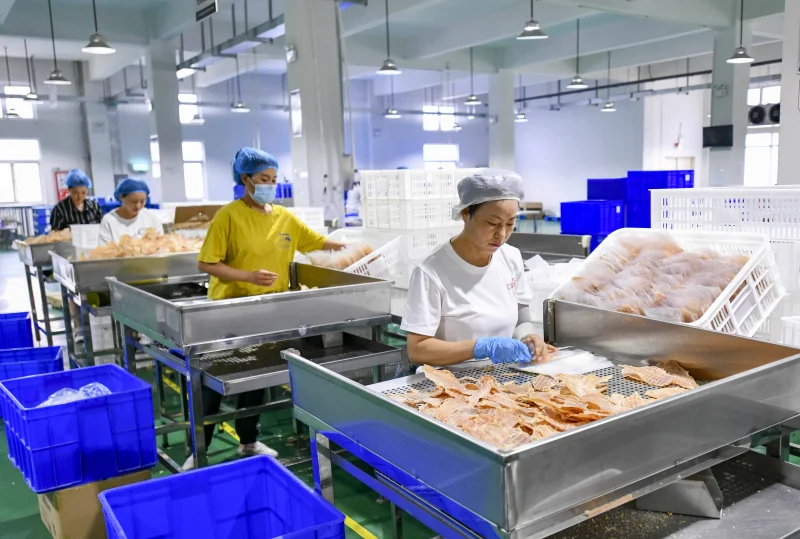
Xinji Pet Food works with buyers developing dog and cat treat lines for private label, distributor, and e-commerce channels. The goal is to help buyers balance differentiation with manufacturing stability, so the product can move from sample approval to repeat wholesale supply without unnecessary complexity.
Buyers can start with existing treat formats, compare functional snack directions, or connect treats with a broader private label product plan. For projects that require formula adjustment, packaging coordination, or multi-SKU planning, the OEM/ODM service page explains how Xinji supports product development from idea to export-ready supply.