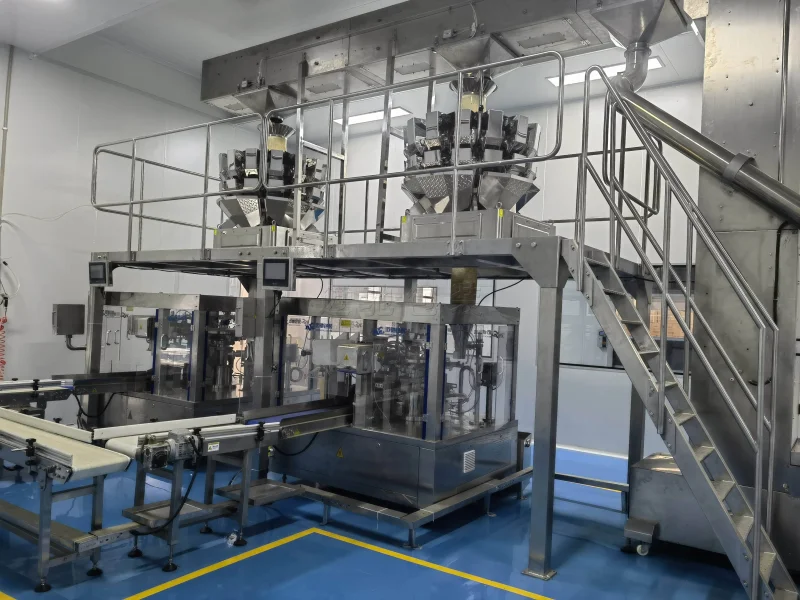
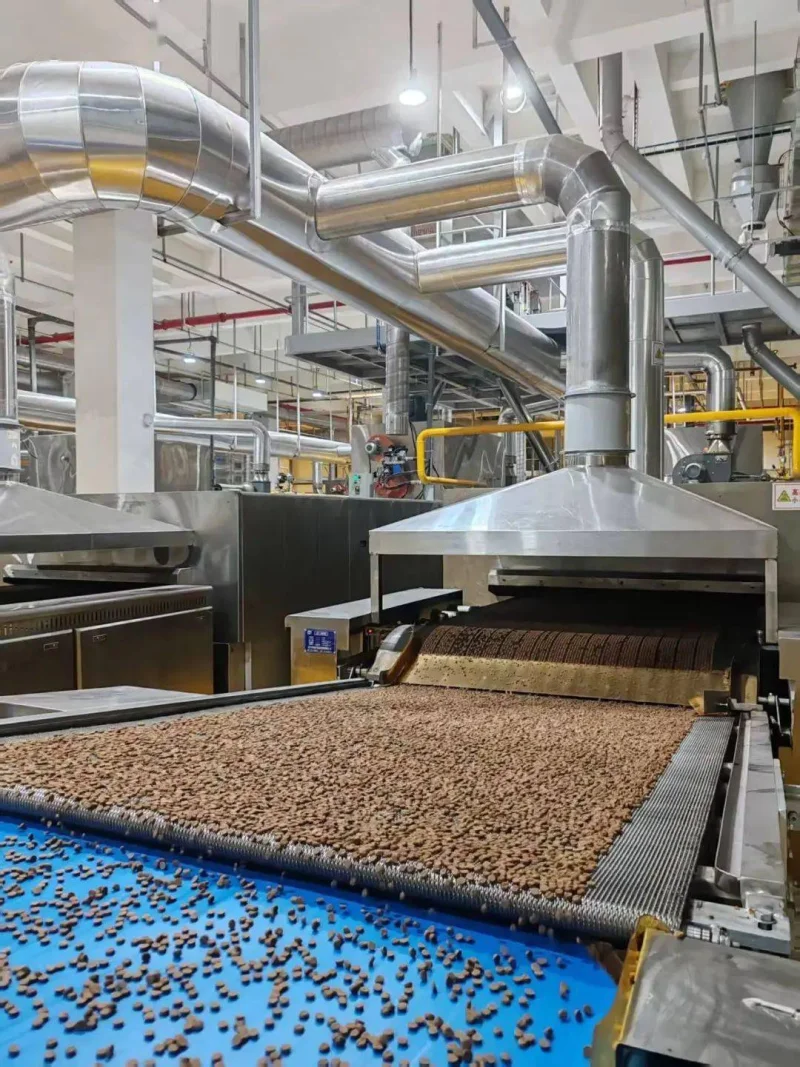
Bulk pet food buyers should evaluate a factory by process visibility, not only by product photos and quotation speed. A serious supplier needs stable capacity, traceable raw materials, batch records, packaging control, warehouse discipline, and export communication that remains reliable after the deposit is paid.
A factory audit can be done through an on-site visit, third-party inspection, or structured video review. The goal is not to create paperwork for its own sake. The goal is to understand whether the supplier can repeat the same product quality across orders and respond clearly when a buyer asks for documentation.

Capacity and production flow
Ask the supplier to explain annual capacity, daily scheduling, production line arrangement, and formula changeover control. For wholesale buyers, capacity matters only when it is organized. A factory should know how to separate batches, manage packaging changes, and avoid cross-order confusion during busy seasons.
Raw material traceability
Traceability starts before production. Buyers should review how raw materials are received, stored, coded, released, and recorded. A good supplier should be able to connect each finished batch with the raw material lot, production date, inspection record, and retained sample. This is especially important for importers selling to distributors, pet stores, and online platforms where quality questions may appear months after shipment.
Quality control inside the factory
Internal QC should cover appearance, moisture, weight, packaging, sealing, labeling, and retained samples. For pet health products and supplements, buyers should also ask how the factory controls ingredient identity, cleanliness, and batch documentation. Strong QC is not only a certificate; it is a daily operating habit.
Before a buyer treats any audit result as complete, it helps to compare the site visit notes with the factory's public quality certification information and the broader factory tour. For pet health and supplement programs, the Veterinary GMP quality system update adds extra context on documentation discipline.
Export readiness
Many sourcing problems happen after production. Labels may be incomplete, cartons may be too weak, loading plans may be unclear, or export documents may be delayed. A suitable factory should discuss packing list, commercial invoice, certificate requirements, shipping mark, and destination-country preparation before the order reaches the shipping stage.
Documents to request
- Factory profile and production capacity statement.
- Quality certificates and relevant licenses.
- Sample approval record and batch inspection plan.
- Packaging specification and carton loading details.
- Export document checklist for the target market.
Xinji Pet Food supports buyers who need factory-direct manufacturing, OEM/ODM project discussion, quality control communication, and export-ready pet food supply. A practical audit helps both buyer and supplier build a cooperation model that can scale beyond one trial order.
How to use audit results in sourcing decisions
An audit should lead to practical decisions, not just a pass or fail label. If the factory has strong production flow but weaker document preparation, the buyer can request a clearer export document checklist before placing a bulk order. If packaging control is the main risk, the buyer can add pre-shipment photo review or third-party inspection.
Wholesale importers should also compare whether the factory can support future SKUs. A supplier that can only produce one formula may be useful for a trial, but a growing brand often needs dog food, cat food, treats, supplements, and packaging variations under a more complete manufacturing system.
The best audit outcome is a transparent cooperation plan: what the supplier can do now, what needs confirmation, and what should be checked again before repeat orders.