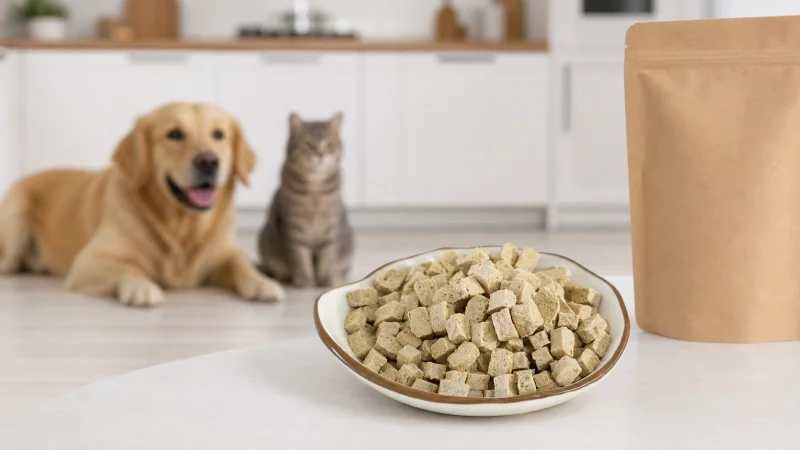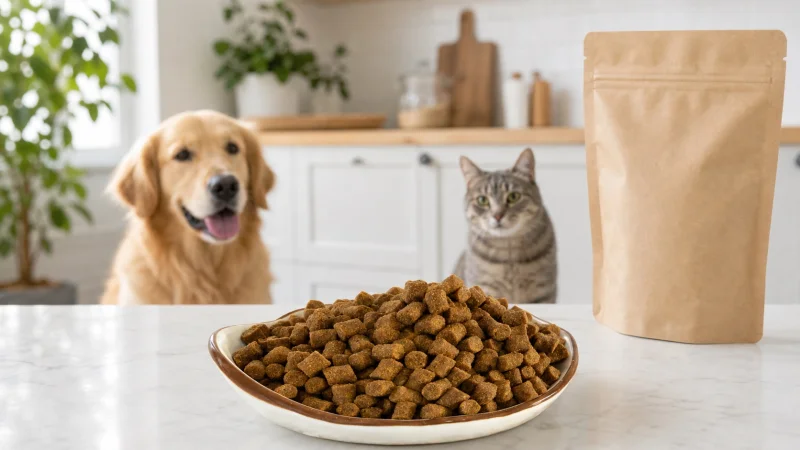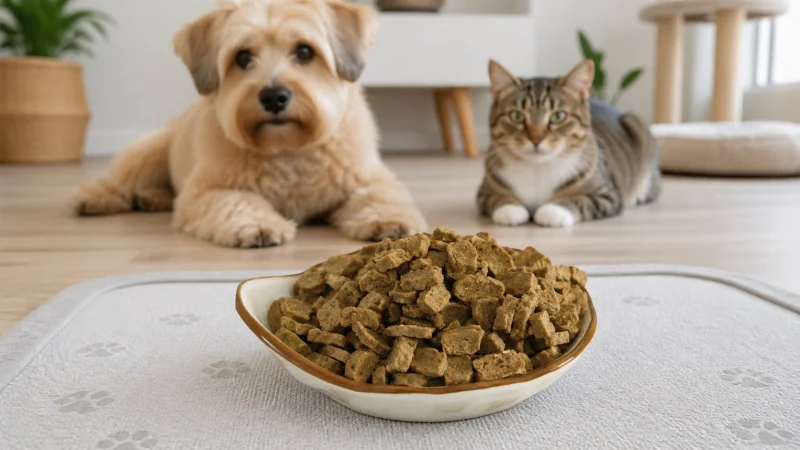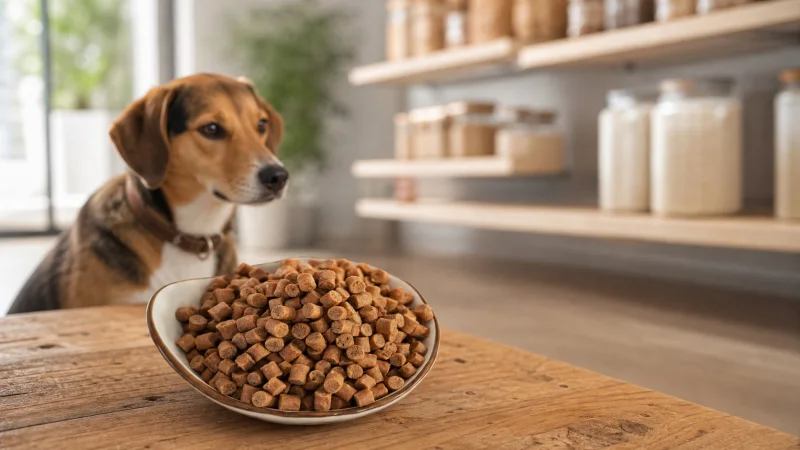
For a private label snack range, a seafood direction can give buyers a clear way to move beyond the usual chicken or beef shelf. Krill Pet Snack Chunks are a practical example: the compact chunk format works for dog and cat treat assortments, while the krill-led product story can help a retailer, distributor, or e-commerce brand create a more distinctive seafood-positioned SKU.
The commercial value is not a medical promise. It is a product-selection decision. Buyers can use a seafood snack to add protein variety, build a mixed treat assortment, or create a focused entry point for customers who want something different from standard meat snacks. The formula, ingredient list, analytical values, feeding guidance, and permitted label claims should always be confirmed for the destination market before packaging is finalized.
Why a seafood snack SKU needs a clear role
Many snack launches become hard to sell because every SKU looks and sounds the same. A better range assigns each product a retail role: an everyday meat snack, a training format, a cat-friendly small-piece option, or a seafood-positioned alternative. Krill chunks can fill the last role when the presentation, pack size, and price point are matched to the channel.
For example, an importer may use a krill snack as one item in a mixed assortment with salmon granules for dogs and cats. An online brand may start with one seafood-led product and test repeat purchase before expanding the line. A distributor may offer several formats to pet shops that want protein variety without creating an overly complex first order.
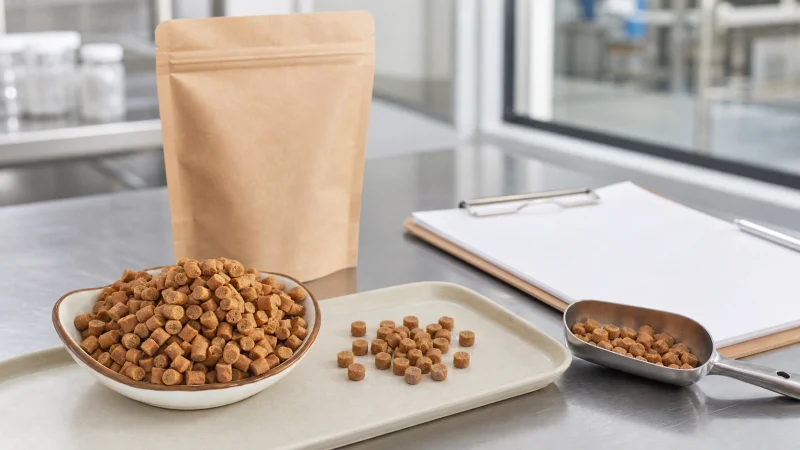
What buyers should review before approving samples
A snack sample is not only about whether the pieces look appealing in a bowl. The buyer should review the physical format with the intended sales channel in mind. Chunk size, shape consistency, surface condition, aroma, breakage, and handling all influence whether the product is suitable for small retail packs, refill packs, mixed treat jars, or larger wholesale cartons.
- Format: confirm the chunk size and whether it fits the intended dog, cat, or mixed-species positioning.
- Range logic: decide whether the SKU is a premium seafood item, a mid-range variety option, or part of a broader protein assortment.
- Pack format: align pouch size, reseal requirement, display carton, and case pack with the buyer's retail or e-commerce model.
- Label review: validate species guidance, ingredients, feeding instructions, storage wording, and market-specific requirements before printing.
- Sample comparison: review the product next to the rest of the planned range so texture, appearance, and price position feel intentional rather than accidental.
From a product sample to a shelf-ready snack
A good private label brief connects product direction to the way the item will actually be sold. A small e-commerce brand may need a focused pouch, a clear seafood story, and photographs that show the chunk format. A pet-store chain may need several pack sizes and an assortment plan that avoids duplicated products. A distributor may prioritize cartons, pallet planning, and a practical mix of fast-moving flavors.
That is why the snack discussion should happen before artwork is locked. Through the OEM and private label process, buyers can align the sample, product positioning, packaging direction, and order plan before moving into production. It is also the right time to discuss whether the product is sold as a standalone seafood treat or as one part of a broader dog-and-cat snack program.
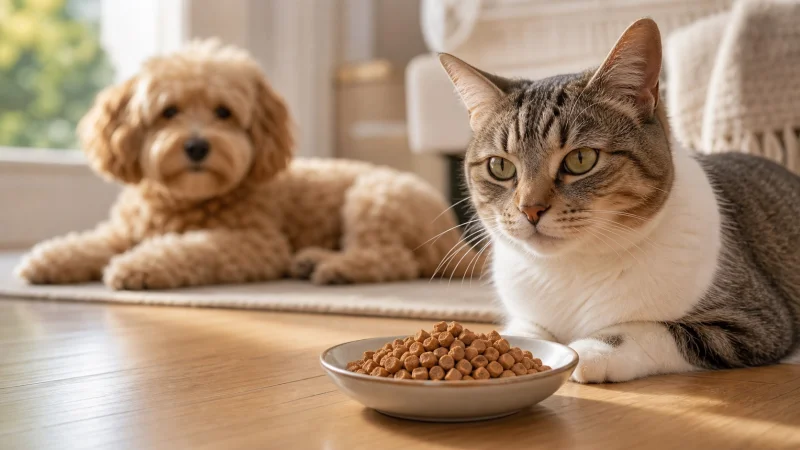
Dog and cat positioning should remain practical
When a snack is offered for dogs and cats, the label and feeding guidance still need to be reviewed carefully for each intended species and destination. The visual appeal of a mixed-pet household is useful for marketing, but it should not replace product-specific instructions. Buyers should keep the message simple: an enjoyable snack format, a seafood-led product direction, and a clearly defined place in the range.
This approach also helps sales teams. Instead of presenting a long list of vague benefits, they can explain why the item belongs on the shelf, what makes it different from the buyer's standard meat treats, and which packaging format matches the customer's purchasing behavior.
How Xinji Pet Food supports snack range development
Xinji Pet Food works with importers, distributors, pet retailers, and private label brands on sample review, packaging coordination, bulk order planning, and export-oriented production discussion. Buyers who want to understand how the product is made and checked can also review our factory and quality workflow before confirming a larger snack program.
Whether the first order is a focused krill snack SKU or a wider multi-protein assortment, the useful starting point is a clear brief: target market, species, channel, preferred pack size, projected volume, and product position. Send us your snack brief and we can discuss the suitable format, private label packaging route, sample process, and bulk supply plan.