Animal shelters, stray dog rescue groups, cat rescue teams, veterinary shops, and community feeding programs often face the same problem: the animals need stable daily food, but retail packaging and brand-building costs are not always necessary. For these organizations, the best purchasing model is often simple, practical, and cost controlled.
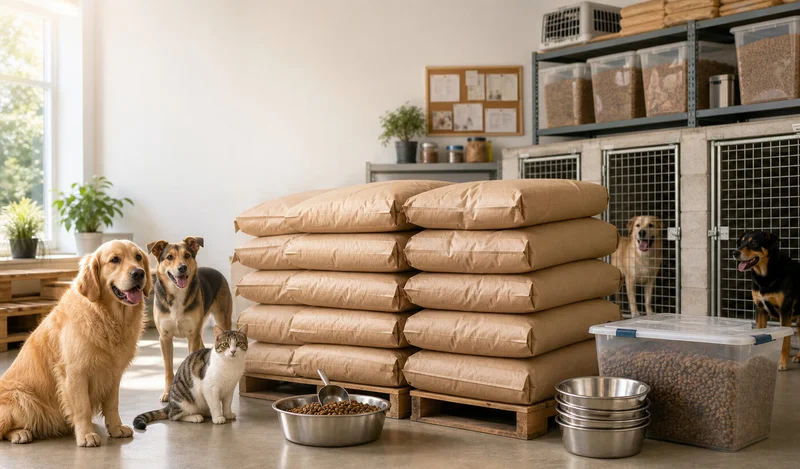
Xinji Pet Food is willing to support rescue organizations and shelter-related buyers around the world with affordable bulk pet food supply. This does not have to be a full OEM or private-label project. When the priority is feeding animals safely and consistently, we can discuss economy line formulas, plain bulk packaging, and lower-cost supply plans that reduce unnecessary retail costs.
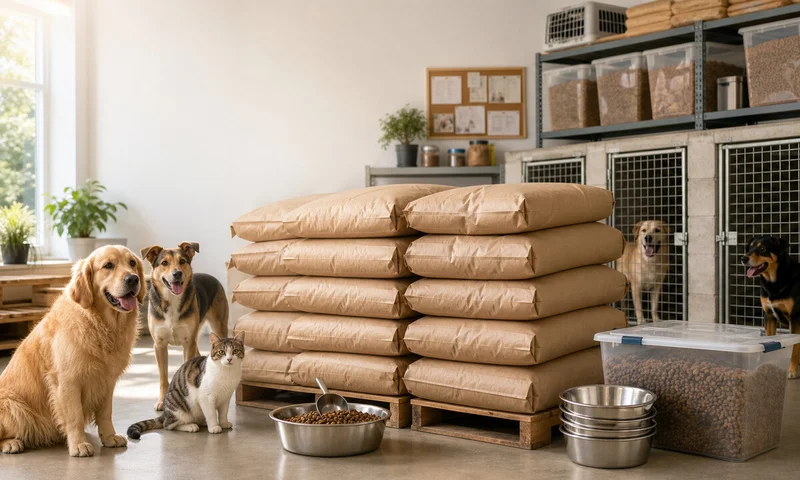
Who this supply model is for
This approach is suitable for animal shelters, dog shelters, cat rescue organizations, veterinary stores that support local rescues, foster networks, municipal feeding projects, and NGOs that need recurring pet food supply. It can also work for buyers who manage several small shelters and need a monthly supply plan rather than a branded retail product line.
For example, a shelter feeding 100 dogs may care more about monthly cost, stable digestion, sufficient calories, and shipment planning than about glossy bags or supermarket-style branding. In that case, a plain-pack or bulk-pack solution can be more practical than a full private-label program.
Economy line does not mean careless quality
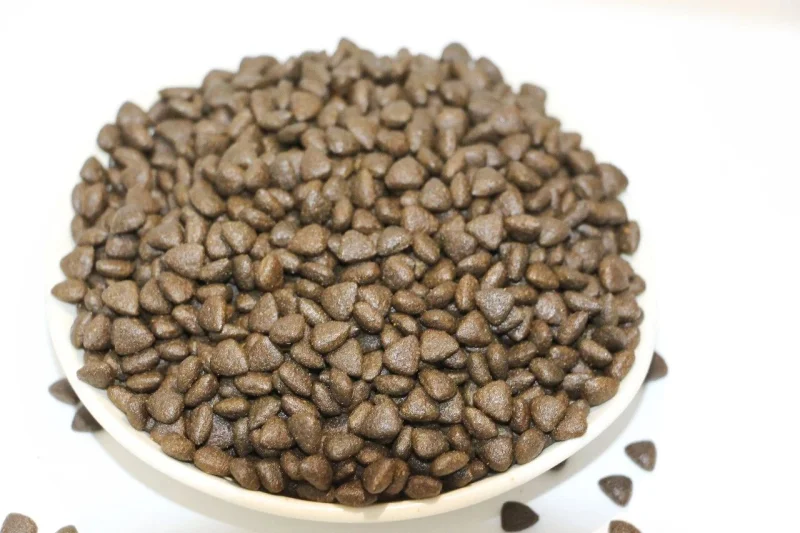
Low-cost pet food still needs basic manufacturing discipline. Buyers should confirm the target species, age range, feeding environment, expected daily ration, and whether the product is mainly for adult dogs, adult cats, mixed shelter use, or short-term emergency feeding. These details help the factory recommend a more suitable formula instead of simply offering the cheapest possible option.
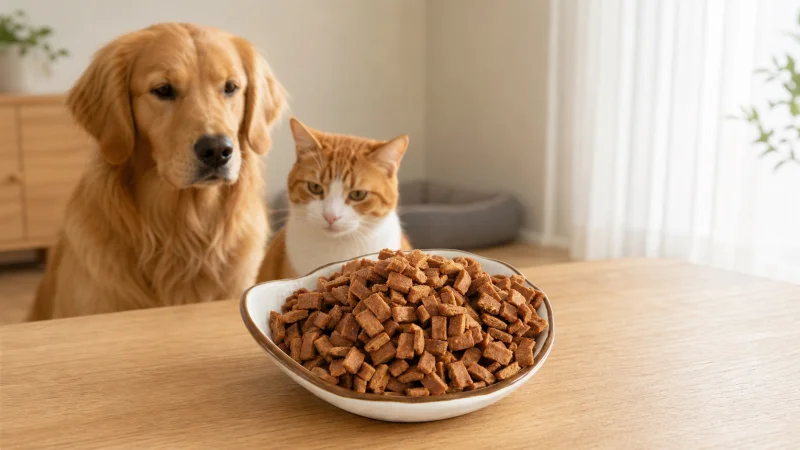
For buyers comparing options, our bulk pet food supply page explains the larger-order supply model. If the organization mainly feeds dogs, the dry dog food category is usually the starting point. For rescue groups caring for cats, our dry cat food options can be discussed based on target budget and feeding conditions.
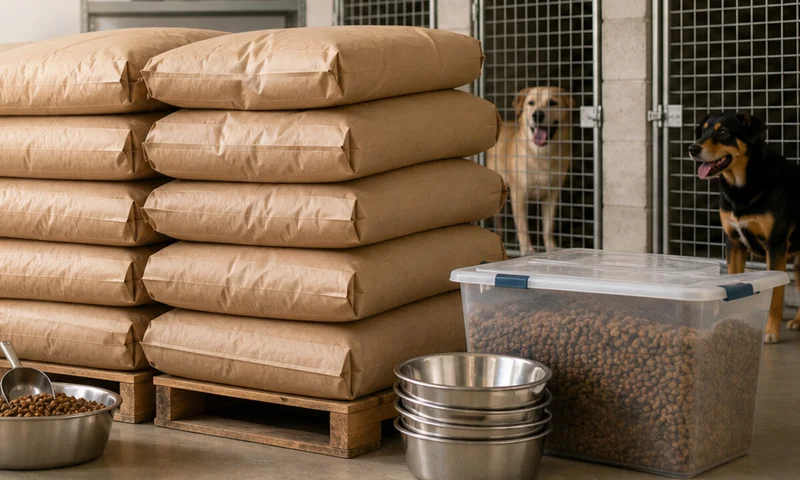
Packaging options that help reduce cost
Many shelters do not need retail-ready bags, printed cartons, or individual consumer-facing designs. To reduce total cost, buyers can ask about plain bags, larger bulk sacks, simplified outer packaging, or semi-finished supply plans that are later repacked locally according to local rules. The right choice depends on import requirements, warehouse conditions, and how the food will be distributed.
If a buyer later wants to develop a retail brand, we can also move from shelter supply into a more standard OEM pet food project. But for rescue feeding, the first conversation should usually focus on monthly quantity, target budget, shipping destination, and practical feeding needs.
What information should a shelter send?
To recommend a realistic supply plan, please include the country, city or port, animal type, estimated number of animals, monthly quantity, preferred packaging size, and whether the food is for direct shelter feeding, resale to support rescue work, or local repacking. A request such as “1,500 kg per month for two dog shelters” is already enough for an initial discussion.
Veterinary shops that also support shelters can provide both sides of the need: daily feeding for rescue animals and possible economical retail packs for local pet owners. Our page for veterinary clinic and veterinary store buyers may help frame that type of mixed demand.
When shelter animals need functional nutrition
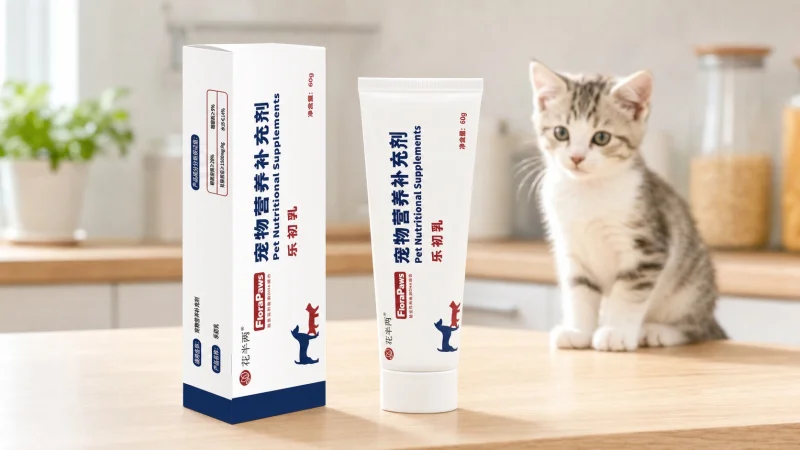
Some shelters need more than economy daily food. Rescue animals may arrive with weak digestion, poor coat condition, joint pressure, urinary concerns, or recovery needs. In these cases, Xinji Pet Food can discuss functional pet food or supplement options while still keeping packaging and supply cost practical.
- Soft stool or weak digestion: digestive-support food or probiotic supplements can help shelters manage transition feeding more carefully.
- Older dogs or long-term kennel living: joint-support formulas or joint support supplements may be useful for mobility support.
- Thin animals or recovery feeding: higher-energy food, multivitamin support, or nutritional paste can help when animals need extra nutrition after rescue.
- Cats with urinary sensitivity: urinary wellness food or targeted supplements can be discussed for rescue groups caring for many adult cats.
- Poor coat condition: skin-and-coat nutrition, Omega support, or multivitamin products can be paired with daily food when budget allows.
The practical approach is not to make every shelter product expensive. A rescue group may use an economy dry food as the daily base, then add selected pet supplements only for animals that need more targeted support.
FAQ: affordable shelter pet food supply
Can animal shelters buy pet food without OEM branding?
Yes. If branding is not the priority, shelters can discuss plain-pack, bulk-pack, or economy line supply. This may reduce packaging and design costs compared with full private-label production.
Can Xinji Pet Food supply small monthly quantities?
We can review the monthly quantity, product type, and destination first. Some shelter projects start from a practical monthly volume such as 1 to 2 tons, while larger programs may need container-level planning.
Is this only for dog shelters?
No. We can discuss dog food, cat food, and related pet nutrition products depending on the animals being cared for and the target budget.
What is the best first step?
Send the basic feeding situation and monthly quantity through the contact page. Our team can then suggest whether an economy line, bulk-pack product, or OEM/private-label route is more suitable.
For many rescue groups, every saved packaging dollar can become more food in the bowl. That is why the discussion should begin with the real feeding job: how many animals, how often they eat, where the food ships, and what cost level keeps the shelter running.