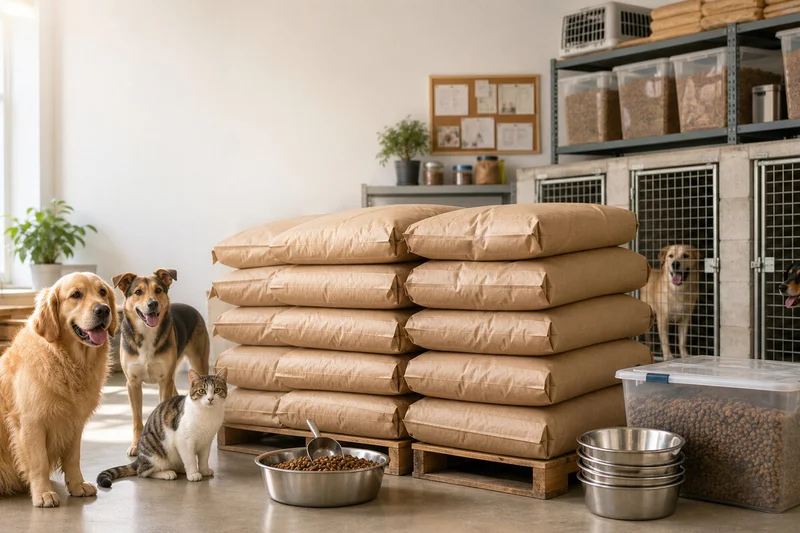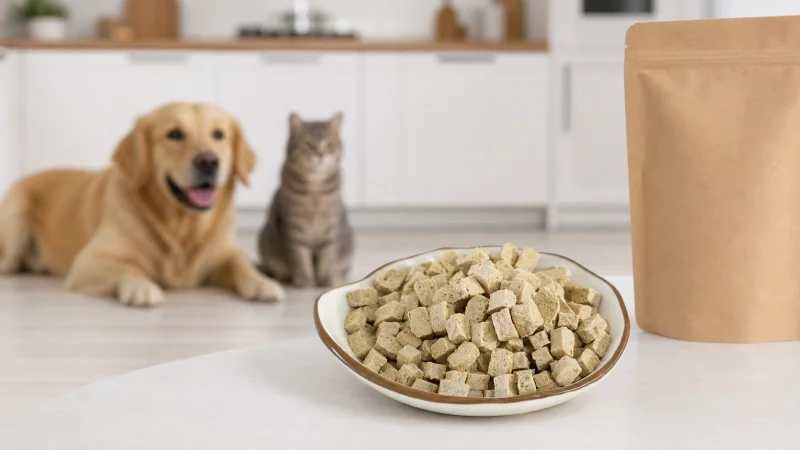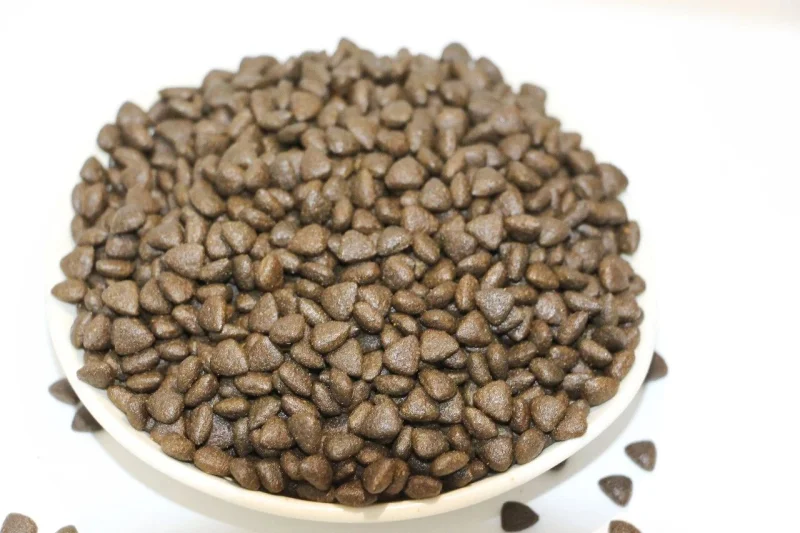
Many importers start a private label pet food project by asking for one formula. In practice, a stronger product range usually needs at least two commercial layers: an economy line for price-sensitive buyers and a premium line for buyers who want clearer nutrition claims, stronger packaging, or a higher retail position.
For a pet food brand, distributor, shelter supplier, or wholesale buyer, the question is not simply “cheap or expensive.” The real question is how to build a range that fits the target customer, order volume, retail channel, and repeat-supply plan. Xinji Pet Food often discusses this structure with buyers who are comparing dry dog food, dry cat food, bulk supply, and private label packaging options.
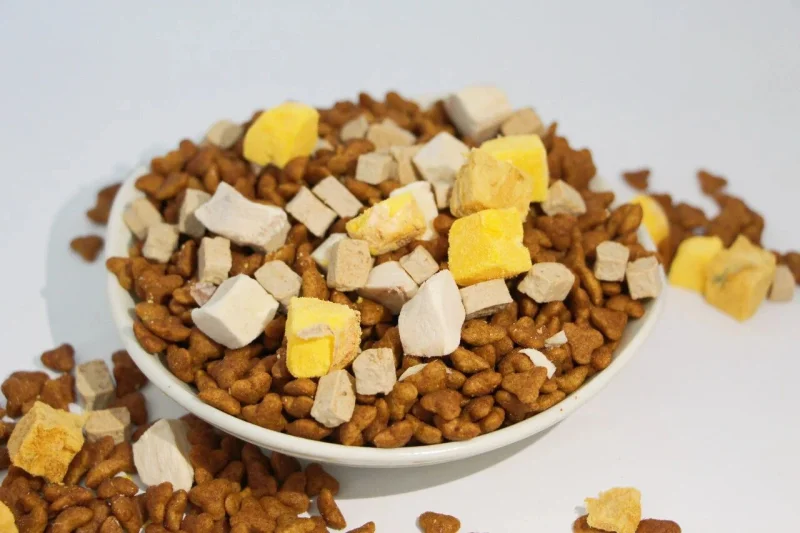
Why economy and premium lines should not compete with each other
An economy line is not a low-quality line. It should be a practical formula with controlled cost, stable palatability, reliable production, and suitable packaging. Its role is to support volume sales, animal shelters, price-sensitive retail channels, starter brands, and distributors that need a dependable entry-level product.
A premium line has a different job. It may use a stronger protein story, more specific life-stage positioning, improved packaging, functional ingredients, or a clearer brand promise. The premium line helps the buyer protect margin, build brand trust, and serve customers who are willing to pay more for a more differentiated product.
When both lines are planned together, they can support different sales situations without confusing the customer. The economy line can handle broad demand and recurring volume. The premium line can support brand storytelling, better retail placement, and product upgrades.
How to define an economy pet food line
The economy line should begin with the real buyer situation. If the buyer serves shelters, community feeding programs, rural distributors, small pet stores, or price-sensitive online channels, the product must control total cost from formula to packaging and freight. That means the factory and buyer should review protein direction, package size, bag material, carton packing, MOQ, and repeat-order rhythm together.
In a recent article about affordable bulk pet food supply for shelters and rescue organizations, the key point was similar: not every buyer needs retail packaging or a full private label launch from the first order. Some buyers need plain packaging, large bags, or cost-controlled supply before they invest in a complete brand system.
- Use clear formula positioning instead of vague “low price” wording.
- Keep packaging practical: plain bags, simple labels, or large-size packs may be enough for the first stage.
- Confirm palatability and digestive tolerance because repeat feeding matters more than one-time price.
- Plan carton, pallet, and container loading early so freight does not erase the price advantage.
- Keep the product name honest: economy, value, daily feeding, rescue supply, or wholesale line can all be valid positions.
How to define a premium pet food line
A premium line should not only add a higher price. It needs a reason to exist. Buyers may build a premium line around animal age, protein source, digestive care, coat condition, urinary wellness, joint support, or breed-size positioning. The exact route depends on the market and the buyer's brand promise.
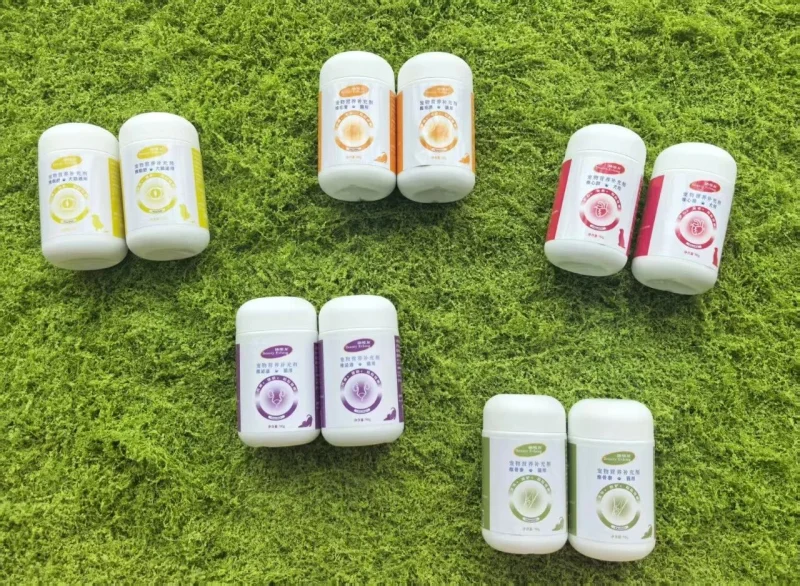
For example, a distributor may start with an economy adult dog food for broad sales, then add a premium puppy formula, a premium cat formula with stronger palatability focus, or a digestive-support product. A private label brand may also connect premium dry food with pet health supplements such as probiotic soft chews, joint support, or coat wellness products.
| Line type | Main role | Typical buyer use | Planning focus |
|---|---|---|---|
| Economy line | Volume and repeat feeding | Shelters, distributors, entry retail, wholesale buyers | Cost control, stable supply, package efficiency |
| Mid-range line | Balanced brand growth | Pet stores, e-commerce sellers, regional brands | Formula story, package look, MOQ and price balance |
| Premium line | Differentiation and margin | Private label brands, specialty retail, product upgrades | Ingredient story, functional direction, packaging quality |
Planning dog food and cat food separately
Dog food and cat food should not be treated as the same product with different labels. Dog food buyers often focus on adult maintenance, puppy growth, energy needs, package size, and bulk feeding cost. Cat food buyers usually pay more attention to palatability, mineral balance, hairball support, urinary wellness, and smaller package formats.
For dog food, a practical range may include one economy adult formula, one puppy or high-protein option, and one premium formula for coat, digestion, or active dogs. For cat food, the first range may include one adult chicken formula, one kitten formula, and one product with clearer palatability or urinary-support positioning. The dry cat food OEM checklist is useful when buyers need to compare formula direction, kibble design, and export packaging before choosing a supplier.
Packaging strategy: do not overbuild the first order
Packaging is often where a first private label project becomes too complex. If the buyer is still testing the market, plain bags or sticker-label packaging may be more practical than full printed bags. If the buyer already has a stable retail channel, printed packaging can support brand recognition and shelf impact.
The best packaging route depends on the buyer's sales channel, order size, launch speed, and repeat-order plan. A factory discussion should cover bag size, material, label language, barcode, carton packing, pallet requirements, and destination-market expectations. These decisions affect both cost and delivery time.
How Xinji Pet Food can support range planning
Xinji Pet Food supports buyers who need a practical product line rather than only a single SKU. A buyer may start with economy dog food, add a cat food line, then develop premium or functional products after the first market response. This is often more realistic than launching too many SKUs at once.
The OEM/ODM service process can help organize the sequence: buyer requirement, formula discussion, sample review, packaging confirmation, production, quality inspection, and export shipment. For buyers who are still comparing suppliers, the OEM pet food sample-to-shipment process explains how a project moves from idea to export order.
If your market needs both affordable feeding products and higher-positioned private label items, the right question is not which line is “better.” The better question is how each line supports a different customer, price point, and repeat-order plan.