Eye wellness is a familiar concern for dog owners, but a successful supplement SKU needs more than a recognizable benefit. A brand must decide which ingredients belong in the formula, how the soft chew fits a daily routine, what claims can be supported in the destination market, and how the product will be sampled, packed, and replenished. Dog Lutein Eye Health and Vision Support Soft Chews, model XJ-HS-007, gives importers and private label brands a focused starting point for that work.
The reference formula direction combines natural lutein from marigold, astaxanthin, bilberry, and taurine in a soft-chew format for dogs. These ingredients create a clear daily visual-wellness story, but they should not be presented as a diagnosis, treatment, or guaranteed solution for an eye condition. Final active levels, serving directions, label language, and market authorization must be confirmed for each project.
Why a dog eye-wellness SKU can earn a clear place in the range
General multivitamins often cover many benefits at once. A dedicated eye-wellness chew serves a different commercial purpose: it gives shoppers, pet-store staff, and online customers one easy-to-understand product direction. That focus can work within adult-dog wellness collections, senior-dog routines, breed-oriented assortments, or a wider line that already includes joint, digestive, skin-and-coat, and multivitamin products.
A focused SKU also makes the product page and retail shelf easier to organize. The front-of-pack message can remain concise, while the side or back panel explains ingredients, serving guidance, storage, warnings, and the responsible limits of the product. Buyers should build that information from the approved specification rather than copy broad claims from competing listings.
Build the ingredient story around a coherent formula direction
The four reference ingredients each contribute to the product concept:
- Marigold-derived lutein: a carotenoid ingredient commonly used in visual-wellness positioning.
- Astaxanthin: an antioxidant-oriented ingredient that can complement the carotenoid story.
- Bilberry: a botanical ingredient that adds a recognizable berry-based direction to the formula narrative.
- Taurine: an amino sulfonic acid used in many pet nutrition and wellness formulations.
This ingredient list is a product-development starting point, not a finished universal formula. A buyer still needs to review ingredient specifications, supplier documentation, stability, compatibility, serving size, target cost, and local rules. If one ingredient is unfamiliar or difficult to register in the destination market, the formula and claims should be reviewed before artwork begins.
The soft-chew format is part of the commercial decision
A soft chew can fit a daily routine more naturally than a tablet for some dog owners, but format performance matters. During sample review, the buyer should evaluate aroma, palatability, chew size, firmness, surface condition, breakage, and consistency between pieces. The chosen serving direction must also work with the final active levels and the intended package count.
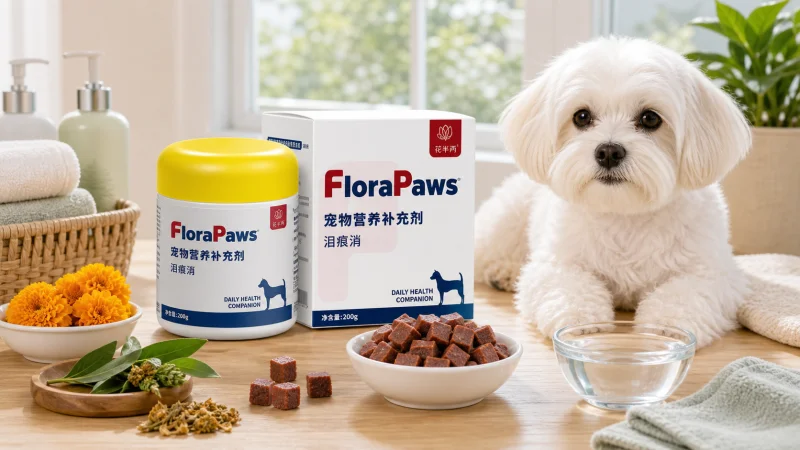
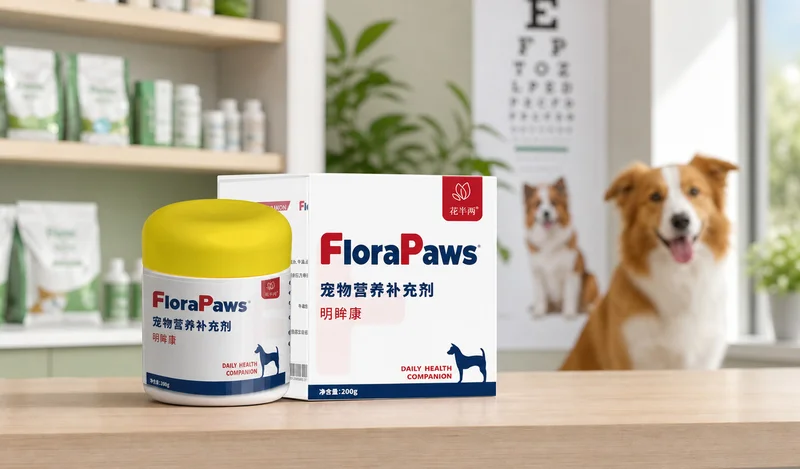
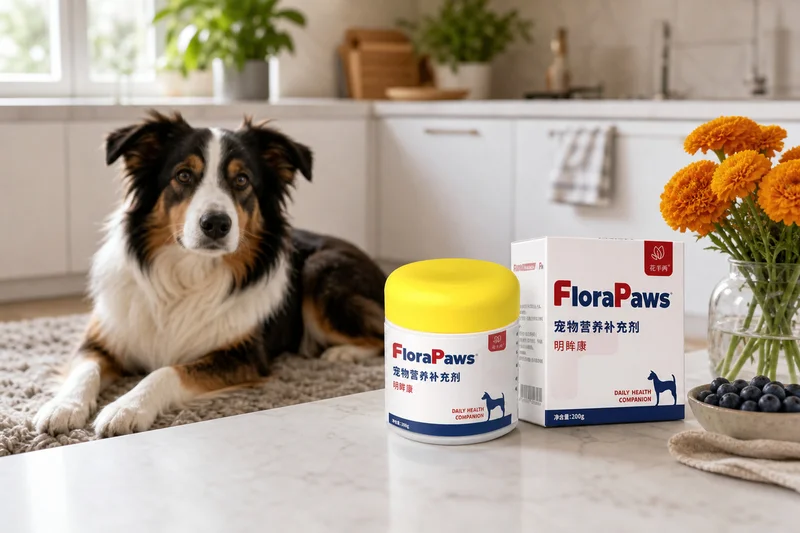
The reference product supports 90 g and 200 g presentations. Xinji Pet Food can discuss bottles, jars, tubes, cartons, pouches, and buyer-specific private label packaging. The right choice depends on serving count, local climate, distribution time, e-commerce handling, label area, and target retail price. A large jar may communicate value, while a smaller pack can lower the trial barrier for a new brand.
Plan the target customer without turning positioning into a medical claim
Brands may consider this product for adult-dog daily wellness, mature-dog collections, active lifestyle lines, or shoppers who prefer ingredient-led supplements. Veterinary retail and professional pet channels may also carry eye-wellness products, but channel placement does not make the product a veterinary medicine. Any animal with redness, pain, discharge, injury, sudden visual change, or another concerning sign should be evaluated by a qualified veterinarian.
Responsible positioning protects both the buyer and the final customer. Claims should stay within the approved formula evidence and local regulatory category. Phrases such as “daily eye wellness support” or ingredient-focused descriptions may be more appropriate than promises to prevent, reverse, or cure a condition. The exact wording still requires destination-market review.
What private label buyers should confirm before ordering
- Market and channel: country, regulatory category, online or retail channel, and planned customer segment.
- Formula brief: desired ingredient direction, active specifications, chew size, flavor, texture, and target cost.
- Serving logic: proposed daily amount, dog-size segmentation, pack count, and label space.
- Packaging: 90 g, 200 g, or a custom presentation; bottle, jar, pouch, carton, seal, and export case.
- Artwork and language: brand hierarchy, ingredient naming, required warnings, feeding guidance, barcode, and destination language.
- Order plan: sample quantity, MOQ, launch quantity, replenishment forecast, and shipping destination.
Factory MOQ is quoted according to the formula, package, and order scope. The reference lead time is 30–45 days after sample confirmation, but artwork approval, packaging procurement, testing, and export arrangements can affect the final schedule. Through our OEM and private label development process, these decisions are handled as one connected project rather than separate last-minute tasks.
Use sample approval as a quality reference
A useful sample approval record includes appearance, dimensions, aroma, texture, unit weight, packaging fit, label version, and the specification reviewed by both parties. This record gives production and purchasing teams a practical reference for the first commercial batch and future reorders. It also helps prevent a brand from approving the chew but forgetting to approve how the product behaves inside the selected package.
Buyers should review the manufacturer's quality and documentation approach early. Batch checks and export-related documents should align with the agreed product specification and destination requirements. Product photography and sales copy should also show the approved format rather than an unrelated stock image.
Keep dog and cat eye-wellness products distinct
A company may eventually offer eye-wellness products for both species, but it should not assume that one serving direction or one label suits both. Our earlier guide to cat lutein eye health soft chews discusses the feline product direction. The dog SKU needs its own serving logic, palatability review, pack plan, and species-appropriate communication.
This separation also improves assortment clarity. Retailers can understand which product belongs in the dog section, while the brand can manage species-specific instructions and artwork without crowding one universal label.
A focused product for a broader dog wellness line
Dog Lutein Eye Health and Vision Support Soft Chews can work as a stand-alone visual-wellness SKU or as part of a coordinated dog supplement range. Xinji Pet Food supports qualified B2B buyers with formula review, sample development, packaging coordination, private label production, and export-order planning. Explore our wider pet health product range, or send your dog supplement brief with the target market, pack size, desired ingredients, and estimated quantity.