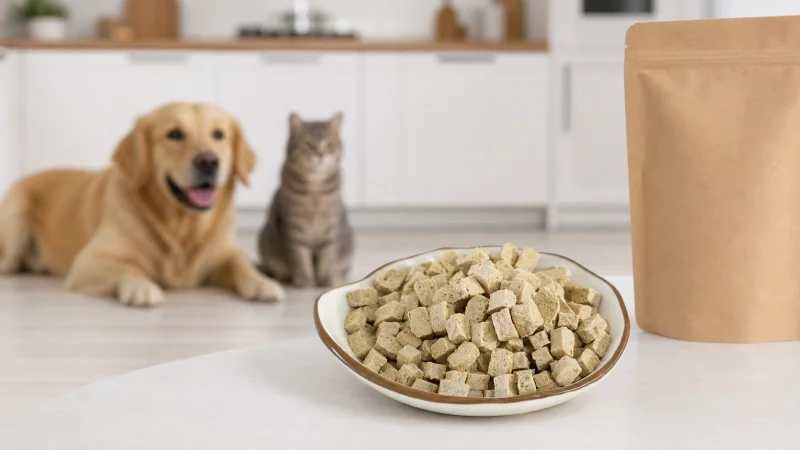
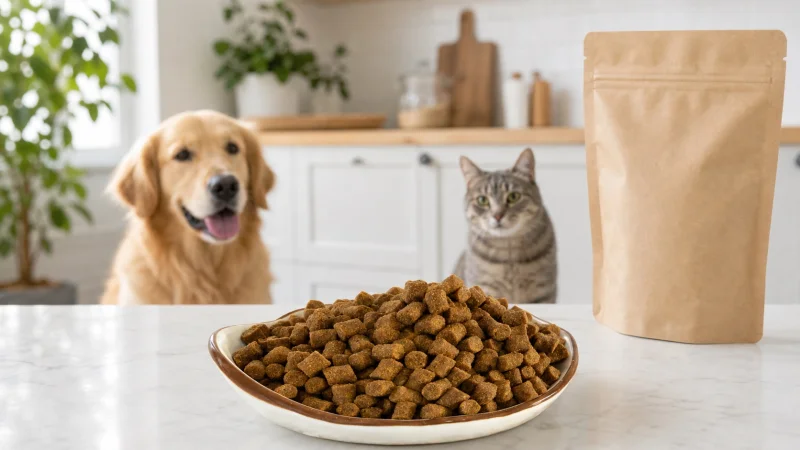
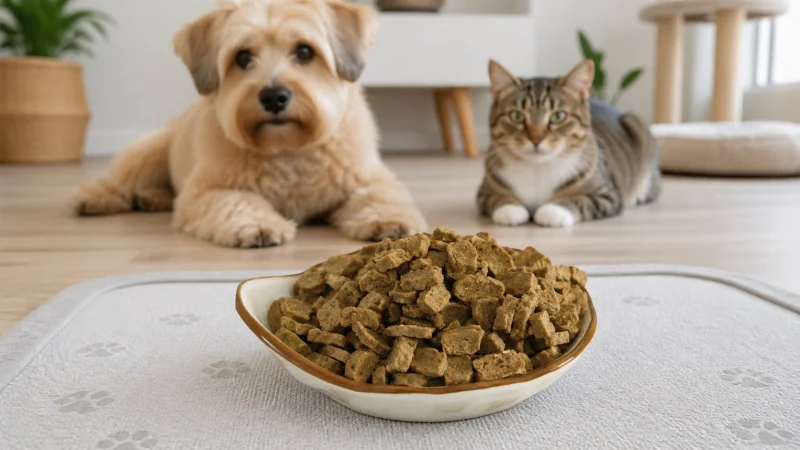
Many overseas entrepreneurs see the growth of the pet food market and want to enter the industry. The difficult part is not only production. A new buyer may not know how to choose a product category, develop a formula direction, control raw material cost, select packaging, plan MOQ, read sample feedback, build a sales message, or decide whether to start with OEM production or a local factory plan.
Xinji Pet Food supports this type of buyer with more than 20 years of pet food manufacturing and sales experience. We can help new brands, importers, distributors, retailers, e-commerce sellers, and investors build a practical route from idea to product launch, including product line planning, formula discussion, upstream supply-chain support, packaging, production, export, and market-entry guidance.
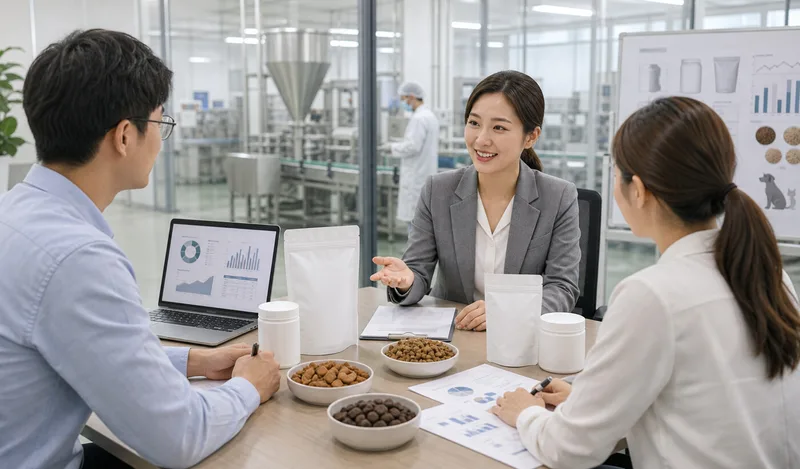
A practical route for people entering the pet food industry
Starting a pet food business should not begin with a random package design or a single sample. The first step is to define the market position: economy line, mid-range daily food, premium formula, veterinary store channel, shelter supply, private label retail, e-commerce bundle, or distributor portfolio. Different routes require different formulas, packaging cost, order quantities, and claims.
For buyers who are still comparing directions, Xinji can help analyze whether it is better to begin with dry dog food and cat food, pet health supplements, bulk pet food supply, or a combined line. This early decision affects almost every later step.
What we can guide before production starts
A new pet food project usually needs decisions across product, technology, supply chain, and sales. Xinji's support is designed to make those decisions more concrete before money is spent on large production, packaging inventory, or equipment.
| Common difficulty | How Xinji can support |
|---|---|
| No formula experience | Discuss product positioning, ingredient direction, palatability, nutrition focus, and sample adjustment route. |
| No factory or equipment knowledge | Explain production options, OEM/ODM process, batch planning, packaging formats, and when a local factory plan may be realistic. |
| No raw material supply chain | Support sourcing direction for proteins, meat meals, oils, grains, minerals, premixes, functional ingredients, and packaging materials. |
| No clear product range | Plan starter SKUs by species, price level, product form, channel, and repeat-purchase logic. |
| No marketing and sales experience | Help convert technical advantages into clear product messages for distributors, retail, e-commerce, and private label customers. |
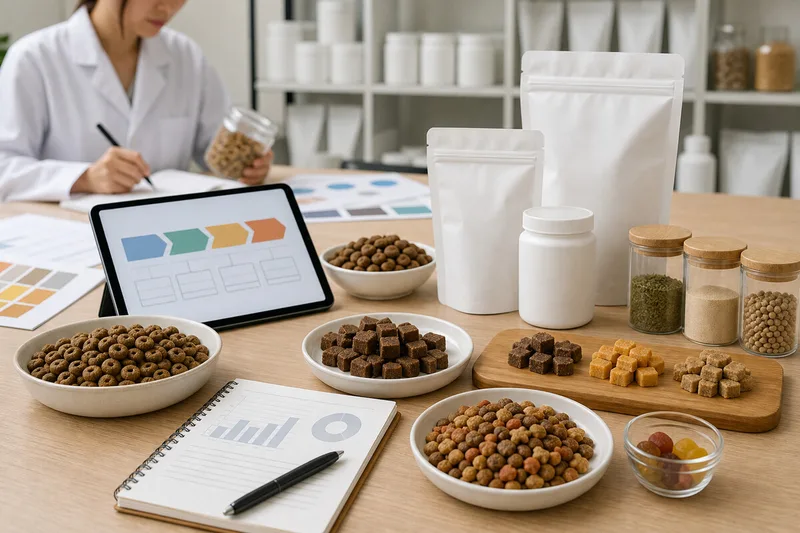
Formula and product-line planning
Pet food formula planning is not only about adding expensive ingredients. A workable product must match the target customer, price level, feeding habit, local market expectation, and export requirement. For example, a distributor may need stable economy and mid-range formulas, while an e-commerce brand may need stronger story, better packaging, and focused product claims.
Xinji can help buyers compare dog food, cat food, treats, soft chews, nutritional paste, and functional supplement directions. We can also help structure related SKUs, such as puppy and adult formulas, kitten and adult cat formulas, economy and premium lines, probiotic support, joint support, skin and coat support, urinary wellness, and daily multivitamin products. For price-level planning, buyers can also review our guide on economy vs premium pet food lines.
Upstream raw material and ingredient supply-chain support
Raw material access is a major barrier for new pet food operators. Even if a buyer understands the product idea, the final cost and quality depend on stable ingredient channels, supplier screening, formula compatibility, batch consistency, and logistics. Xinji can support production-related ingredient supply-chain planning according to the target formula and market level.
Depending on the project, this can include animal protein directions such as chicken, beef, lamb, duck, fish, and other market-appropriate proteins; poultry meal, fish meal, meat meal, hydrolyzed protein, palatability materials, animal fats and plant oils; carbohydrate and carrier materials such as rice, corn, potato, pea, and other starch sources; fiber, yeast, probiotics, prebiotics, vitamin-mineral premixes, calcium and phosphorus sources, trace minerals, and functional ingredients for digestion, coat condition, joints, urinary wellness, and general maintenance.
We can also support related packaging supply-chain decisions: printed bags, plain bags, pouches, jars, bottles, cans, cartons, labels, and export packing. The goal is to help buyers build a stable cost structure instead of treating raw materials, formula, packaging, and selling price as separate decisions.
OEM production, local factory planning, and equipment decisions
Many new entrants think they must build a factory immediately. In most cases, it is more practical to validate the market first through OEM or ODM production. This allows the buyer to test product positioning, packaging, pricing, distributor response, and reorder potential before investing in equipment and a full manufacturing team.
For buyers who do plan to build a local production operation later, Xinji can still provide industry guidance on product categories, process requirements, ingredient flow, packaging route, quality-control thinking, and what should be tested before purchasing equipment. Our OEM/ODM service process and factory tour pages show how production planning connects with samples, packaging, batch control, and export preparation.
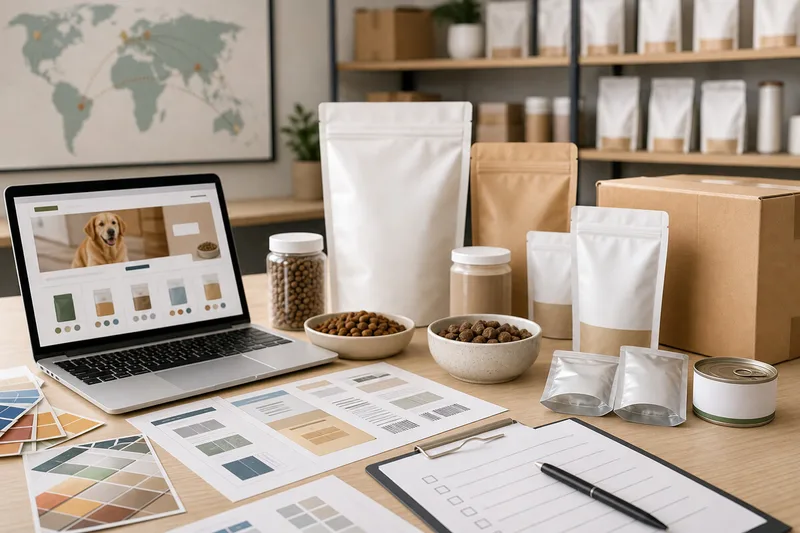
Packaging, pricing, and market-entry guidance
A pet food project also needs commercial planning. A good formula can still fail if the package size is wrong, landed cost is too high, the claim language is unclear, or the product line has no repeat-purchase logic. Xinji can help buyers think through package size, private label design direction, bulk or retail format, carton planning, distributor price levels, and first-order SKU selection.
For buyers targeting shelters, veterinary stores, wholesale channels, or price-sensitive markets, plain packaging or bulk supply may reduce unnecessary cost. For retail and online channels, clearer visual identity, product photos, usage explanation, and related SKU bundles may matter more. Xinji's role is to help connect product development with the actual way the product will be sold.
Who this full-scope solution is suitable for
- Entrepreneurs who want to start a pet food brand but do not have formula or factory experience.
- Distributors and importers who want to add private label pet food or pet supplements.
- Retail chains, veterinary stores, shelter suppliers, and e-commerce sellers building their own product line.
- Investors planning a pet food project and needing a realistic roadmap before equipment or factory investment.
- Existing brands that need upstream ingredient channels, OEM production, packaging support, or product-line expansion.
Work with a manufacturer that understands production and sales
Xinji Pet Food is not only a production supplier. With long-term manufacturing and sales experience, we understand that a successful pet food project needs formula logic, raw material control, production stability, packaging practicality, export preparation, and a clear sales route. Buyers can start with a discussion of target market, product category, price level, and order plan, then we can help shape a practical solution step by step.
If you want to enter the pet food business but are unsure where to start, contact Xinji Pet Food with your target market, preferred product category, expected price level, and first-order plan. We can help you evaluate the route before you commit to production, packaging, or equipment investment.