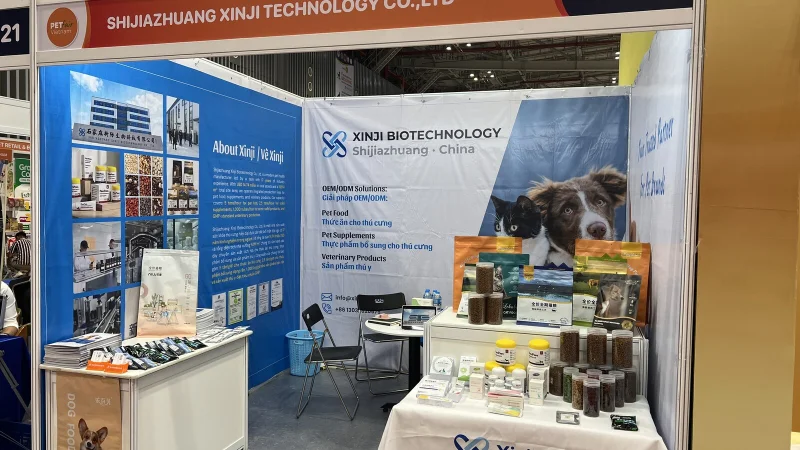
Building a private label pet supplement line is different from buying one ready-made SKU from a catalog. Importers, distributors, wholesalers, and e-commerce brands need a product range that can explain clear benefits, pass internal quality checks, fit the target retail channel, and be repeated by the same factory after the first sales cycle. A good China manufacturer should help the buyer connect product format, functional positioning, packaging, MOQ, documentation, and export planning instead of treating each question separately.
For Xinji Pet Food, a private label pet supplement project usually starts with the buyer's target market and sales channel. A pet store chain may need simple daily wellness products with strong shelf presentation, while an online brand may prefer more focused formulas, clear comparison photos, and smaller starter quantities. A distributor may care most about carton strength, customs documents, and repeat supply. These differences decide whether the first range should begin with dog soft chews, cat soft chews, hard chews, nutritional paste, or oral liquid products.
Start with a focused supplement range
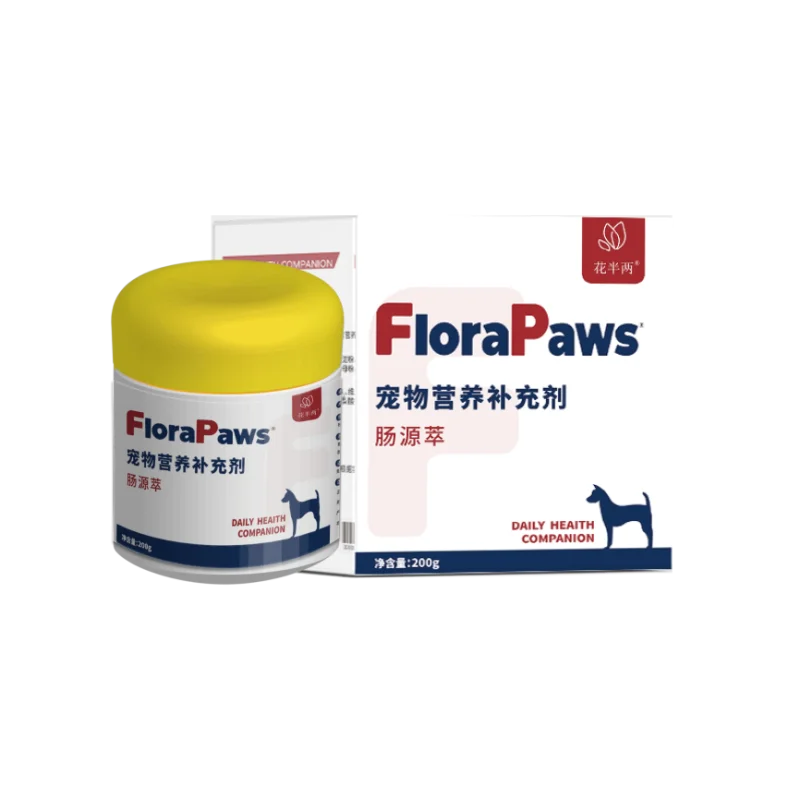
The most common mistake is trying to launch too many functions at once. A first private label line is usually easier to manage when it has three to five clear SKUs. Buyers can start with daily digestion, joint mobility, skin and coat, eye comfort, or weight management, then expand after market feedback. For example, a dog-focused launch can use Dog Probiotic Digestive Support Soft Chews as a digestive wellness reference and Dog Advanced Joint and Mobility Support Soft Chews as the joint-care anchor.
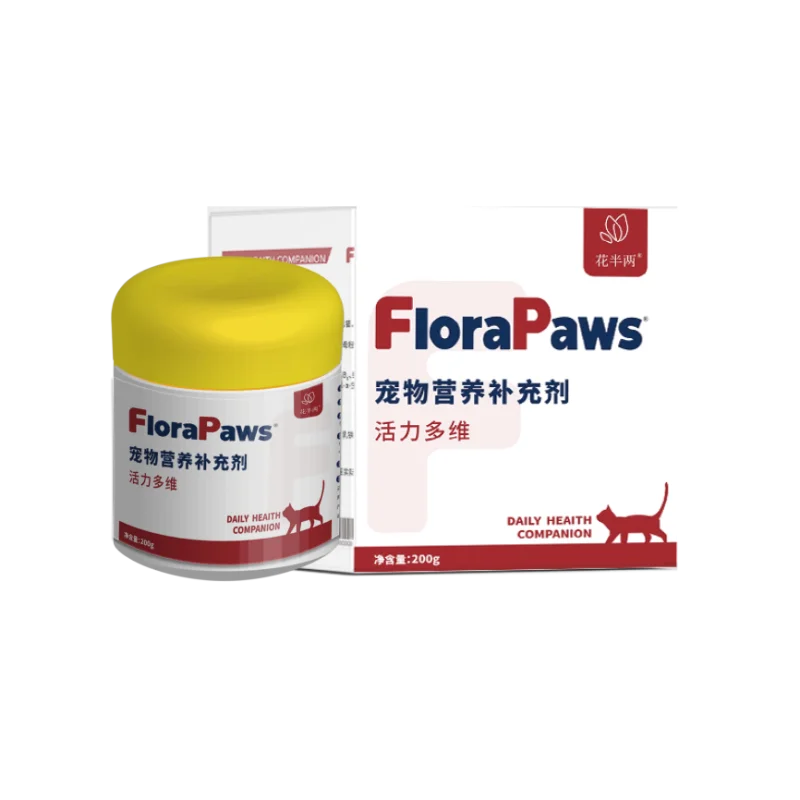
Cat supplement planning should be handled separately because cat owners often respond to different needs and formats. A cat line may include daily vitality, hairball support, urinary wellness, or joint maintenance. Existing products such as Cat Multivitamin Vitality Support Soft Chews and Cat Daily Joint Support Soft Chews help buyers compare how species, function, taste, and serving format change the product brief.
Choose the right format before discussing formula details
Pet supplements can be made in several formats, and each one affects MOQ, packaging, shelf life, user experience, and price. Soft chews are popular because they are easy to explain and can support daily wellness positioning. Hard chews can suit oral care or calcium concepts. Pastes and oral liquids may be useful for cats, recovery nutrition, or products that need a different feeding experience. Before asking for a quotation, the buyer should decide whether the supplement should feel like a treat, a daily care product, or a more targeted nutrition item.
This format decision also affects the factory conversation. If the project is part of a wider private label portfolio, the buyer can review the Private Label Pet Products page to see how supplements may sit beside dry food, treats, and veterinary care products. The goal is not to copy every category, but to build a range that looks coherent to the retailer or final customer.
Separate marketing claims from responsible product language
Functional supplements need careful wording. Buyers often want strong benefit claims, but pet health products should avoid medical promises that create regulatory or platform risk. Safer directions include daily digestive support, joint mobility support, skin and coat maintenance, eye comfort, hairball control, urinary wellness, oral freshness, vitality, or recovery nutrition support. The final wording should match the destination country, marketplace policy, and label review process.
For buyers still defining their first order, the existing factory-direct OEM sourcing guide is useful because it explains how to turn a product idea into a workable factory brief. If the buyer already knows the category but not the production schedule, the OEM sample-to-shipment process gives a clearer view of sampling, packaging confirmation, QC, and export preparation.
Plan packaging early, not after the formula is approved
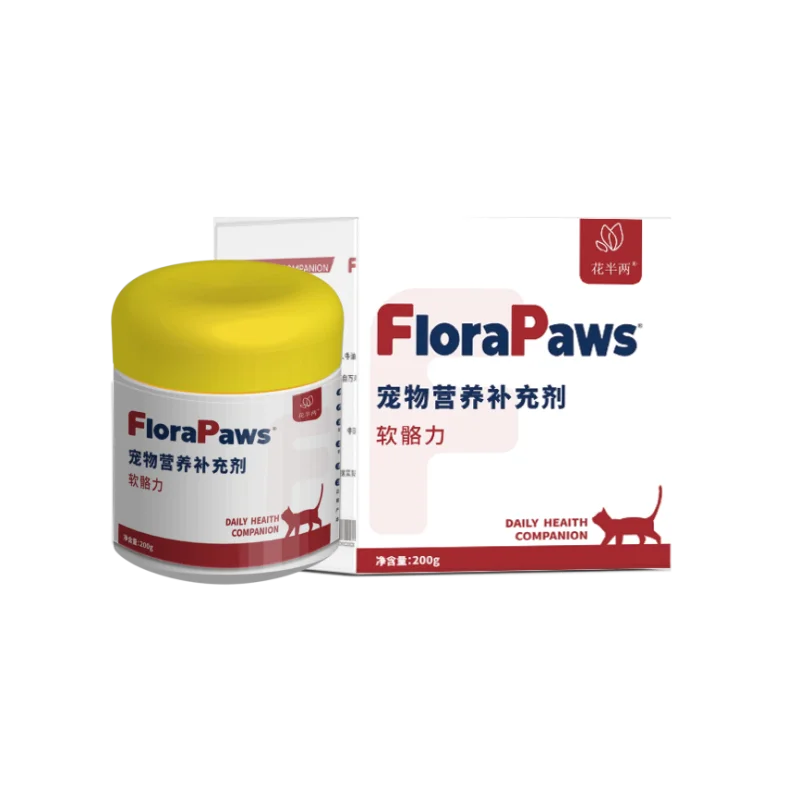
Packaging is often the slowest part of a private label supplement project. Bottles, jars, pouches, labels, carton size, barcode, serving guide, language layout, warning text, and claim wording all need review. A buyer planning multiple SKUs should decide whether the line will use one common package structure or separate package types by function. Keeping the first range visually consistent can make the launch look more professional and reduce design revisions.
MOQ should be discussed at both product and packaging level. A formula MOQ, a printed label MOQ, a jar or pouch MOQ, and a carton MOQ may not be the same. For a first order, many buyers are better served by fewer SKUs, repeatable packaging, and a clean claim hierarchy rather than too many formula variations. This is especially important for e-commerce brands that need to test advertising, reviews, and reorder timing before expanding the range.
Confirm quality control and documents before bulk production
Pet supplement buyers should ask how the manufacturer manages ingredient review, batch records, retained samples, appearance checks, weight control, package sealing, label version control, and finished product inspection. A certificate is helpful, but the real question is whether the factory can explain daily quality control in a way that supports repeat orders and customer questions.
Before confirming a supplier, buyers can compare the factory's answers with Xinji's quality certification information and the broader pet food factory audit checklist. For supplement-focused programs, the Veterinary GMP quality system update also gives context on documentation discipline and responsible manufacturing communication.
Information to prepare for the factory
A manufacturer can respond faster when the buyer provides a structured brief. The brief should include target country, sales channel, species, preferred function, product format, expected package count, flavor direction, starting quantity, label language, claim limitations, document requirements, and launch timing. If the buyer already has benchmark products, photos or ingredient directions can be shared as references, but the final formula and label wording should be reviewed through the factory project process.
For qualified projects, Xinji Pet Food can discuss OEM and private label supplement development through the OEM/ODM service workflow. Buyers who already know their target market and starting range can send the product plan through the contact page, including the intended SKUs, package format, first order quantity, and any export documentation requirements.
Build a range that can be repeated
The best private label supplement line is not only attractive at launch. It should be easy to reorder, easy to explain to sales channels, and stable enough for long-term cooperation with the manufacturer. A practical first range, clear packaging system, responsible claims, and documented QC process give the buyer a stronger base than a large but unfocused product list.
When a buyer and factory work from the same brief, the project becomes easier to manage: sample review is clearer, packaging approval is faster, production risk is lower, and future product extensions can use the same sourcing framework. That is the real value of choosing a manufacturer that understands private label pet supplements as a full project rather than a single product quotation.